How Meditation Changes the Brain
May 19, 2026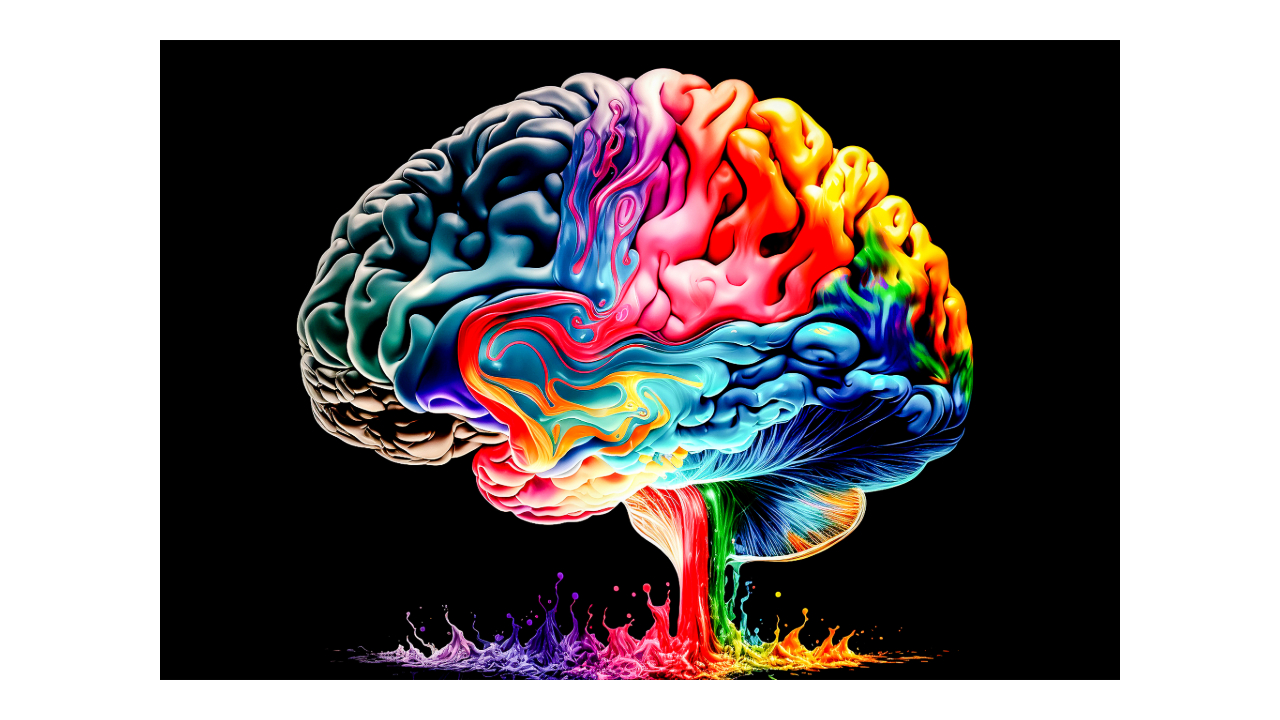
"The mind is definitely something that can be transformed, and meditation is a means to transform it." ~ The Dalai Lama
For years, meditation was often dismissed as something religious, mysterious, or reserved for monks sitting silently on mountaintops. But today, science is catching up to what ancient traditions have known for thousands of years: meditation has the power to physically change the brain.
And honestly? Learning the science behind meditation completely changed the way I viewed it.
When I first started meditating, I wasn’t looking for enlightenment. I was looking for relief. I was struggling with stress, anxiety, overwhelm, and emotional heaviness, and I needed something that actually helped. What surprised me most was discovering that meditation wasn’t just making me feel calmer in the moment, it was literally helping reshape the way my brain responded to stress and emotions over time.
That’s the beauty of neuroplasticity: the brain’s ability to change, adapt, and rewire itself based on repeated experiences and behaviors.
And meditation is one of the most powerful tools we have to support that process.
Meditation Reduces Activity in the Stress Centers of the Brain
One of the biggest ways meditation impacts the brain is by calming the amygdala, the part of the brain responsible for our fight-or-flight response.
When we experience chronic stress, trauma, anxiety, or emotional overwhelm, the amygdala becomes overactive. This can leave us feeling constantly on edge, reactive, anxious, or emotionally exhausted.
Research has shown that regular meditation can actually reduce amygdala activity over time, helping the nervous system become less reactive to stress.
In simple terms, meditation helps your brain learn that it is safe to slow down.
Meditation Strengthens the Prefrontal Cortex
The prefrontal cortex is the part of the brain associated with:
- Decision-making
- Emotional regulation
- Focus
- Self-awareness
- Compassion
Studies have found that mindfulness meditation can strengthen this area of the brain, improving our ability to pause before reacting emotionally and helping us respond to life more intentionally.
This was one of the biggest changes I noticed personally. Instead of immediately spiraling into stress or negative thinking, I slowly developed more space between my thoughts and my reactions. I became more aware, more grounded, and less controlled by every emotion that passed through me.
Meditation Can Help Rewire Negative Thought Patterns
Our brains are constantly forming neural pathways based on repetition. The more we think certain thoughts, the stronger those pathways become.
That means if we constantly live in fear, self-criticism, worry, or hopelessness, those mental patterns become automatic.
Meditation interrupts those loops.
By practicing mindfulness, we train ourselves to observe our thoughts instead of automatically identifying with them. Over time, this creates new neural pathways associated with calmness, presence, self-awareness, and emotional balance.
This is why meditation can be such a powerful tool for people struggling with anxiety, depression, trauma, or chronic stress.
Meditation Improves Emotional Regulation
Meditation doesn’t remove difficult emotions from our lives, but it changes our relationship to them.
Instead of immediately reacting to stress, sadness, anger, or fear, meditation teaches us how to sit with discomfort without becoming consumed by it.
This is incredibly important because healing isn’t about avoiding emotions. It’s about learning how to move through them with awareness and compassion.
The more consistently we practice meditation, the more emotionally resilient we become.
Meditation Helps the Body, Too
The brain and body are deeply connected.
Meditation has been shown to:
- Lower cortisol (the stress hormone)
- Improve sleep quality
- Lower blood pressure
- Support nervous system regulation
- Increase feelings of calm and well-being
When we meditate, we activate the parasympathetic nervous system, the body’s “rest and restore” state, which helps counteract the chronic fight-or-flight mode so many people live in today.
You Don’t Have to Meditate Perfectly
One of the biggest misconceptions about meditation is that you have to “clear your mind” or do it perfectly for it to work.
You don’t.
Meditation is simply the practice of returning your attention to the present moment over and over again.
Some days your mind will feel busy. Some days it will feel peaceful. Both are normal.
The goal isn’t perfection. The goal is awareness.
Small Moments Create Big Changes
You don’t need to meditate for hours a day to experience benefits. Even a few intentional minutes each day can begin creating meaningful changes in the brain and nervous system over time.
The key is consistency.
Meditation changed my life not because it magically erased my struggles, but because it gave me tools to navigate them differently. It helped me reconnect with myself, calm my nervous system, and develop a healthier relationship with my thoughts and emotions.
And the beautiful thing is: your brain is capable of change, too.
No matter where you’re starting from, healing and transformation are possible.
If you are ready to start rewiring your brain, check out The Magic of Mindfulness and Meditation course and get started today. If you commit to doing the work and showing up consistently, it will be the best $27 you’ve ever spent.
All my love,
Shanna
Progress, not perfection